Hi,
Because we want to reuse the library as much as possible, when you create a library, it is best to depend on the lowest possible framework. In this way, more platforms can use it.
Application project reference to the DbMigrator project and I am still getting the same exception
Did you add the module dependency?
[DependsOn(
    .....
    typeof(...ApplicationModule)
    )]
public class ...DbMigratorModule : AbpModule
Hi,
I think the feature system is more suited for you, it is tenant-level.
See https://docs.abp.io/en/abp/latest/Features
Hi,
Can you share the full steps to reproduce? thanks.
Hi,
1:
All modules can use their own separate database, See https://docs.abp.io/en/abp/latest/Connection-Strings
2:
ABP provided a Saas module to management tenants, you can set connection strings for each tenant. See https://docs.abp.io/en/commercial/latest/modules/saas
You can create a shared module for tenants. See https://docs.abp.io/en/commercial/latest/startup-templates/module/solution-structure
3:
We don't have such a feature, you can allow the customer to update a custom css file. you can refer to https://github.com/abpframework/abp/pull/11705
Hi,
Setting definitions in the ..Account.Application project. you can add the Application project reference to the DbMigrator project.
Hi,
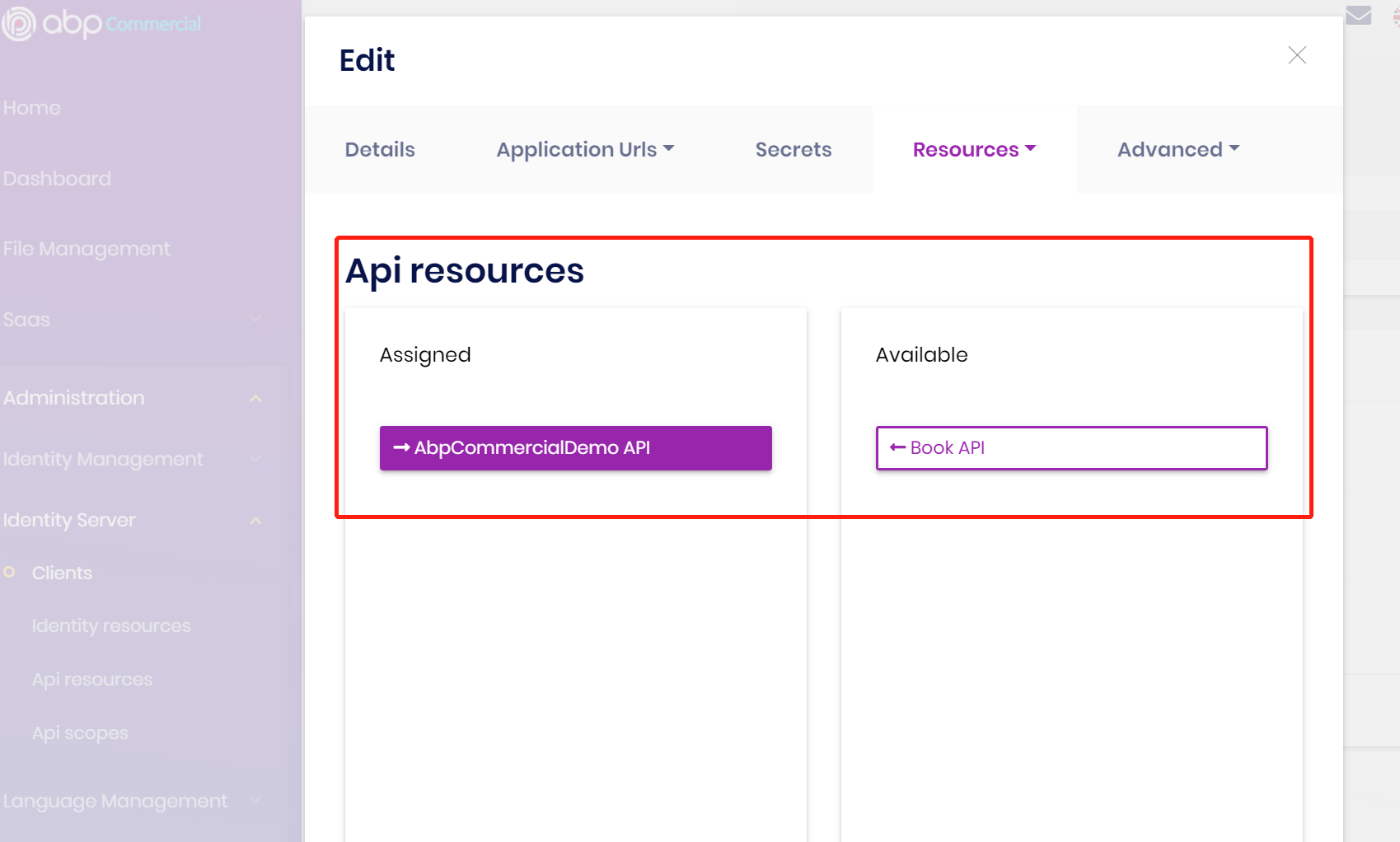
Identity client is used for front-end (angular, mvc, blazor, console....), not Tenant.
Is there a way to create an API client and tie it to a specific client?
Yes, it is,
Hi,
Can you try this?
Configure<AbpClaimsServiceOptions>(options=>
{
    options.RequestedClaims.Add("OrganizationId")
})
Hi
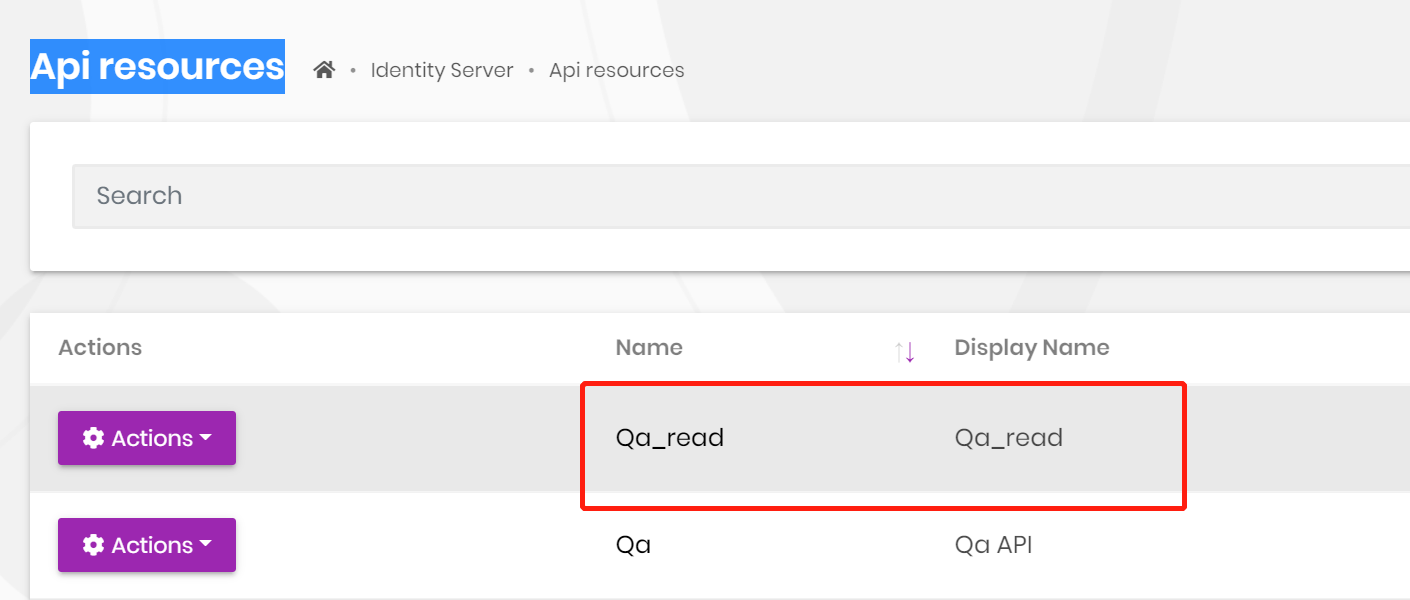
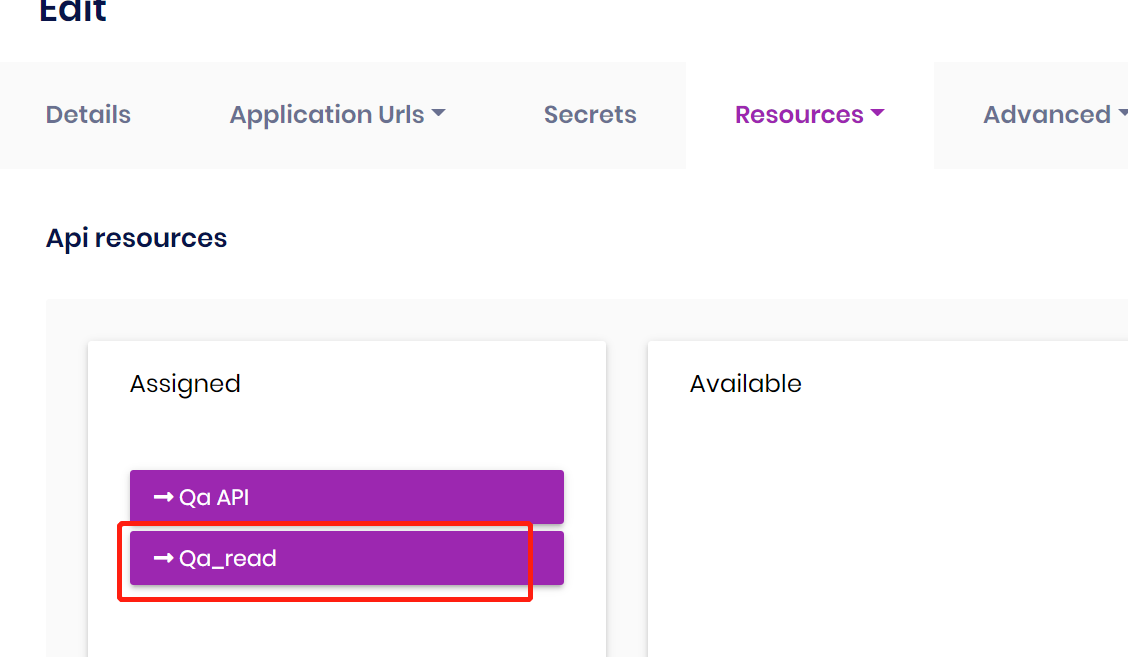
Try named AuthService_Read instead of AuthService.Read.
And create an Api resources named AuthService_Read.
Add to client:
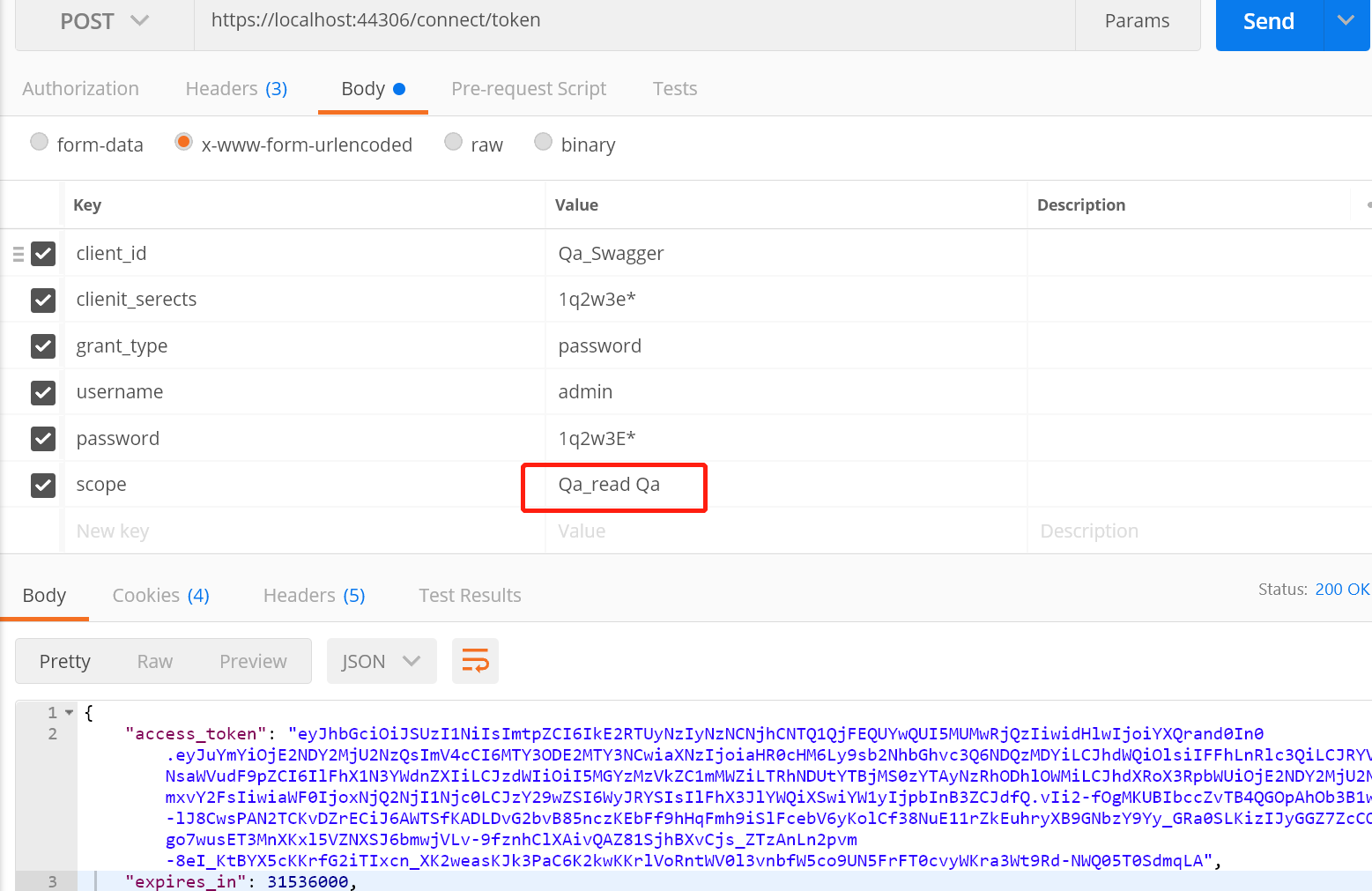
Hi,
I make an example that shows you how to get an access token to log in. see https://github.com/realLiangshiwei/Qa2664
But the example is not perfect, just give you an idea.









