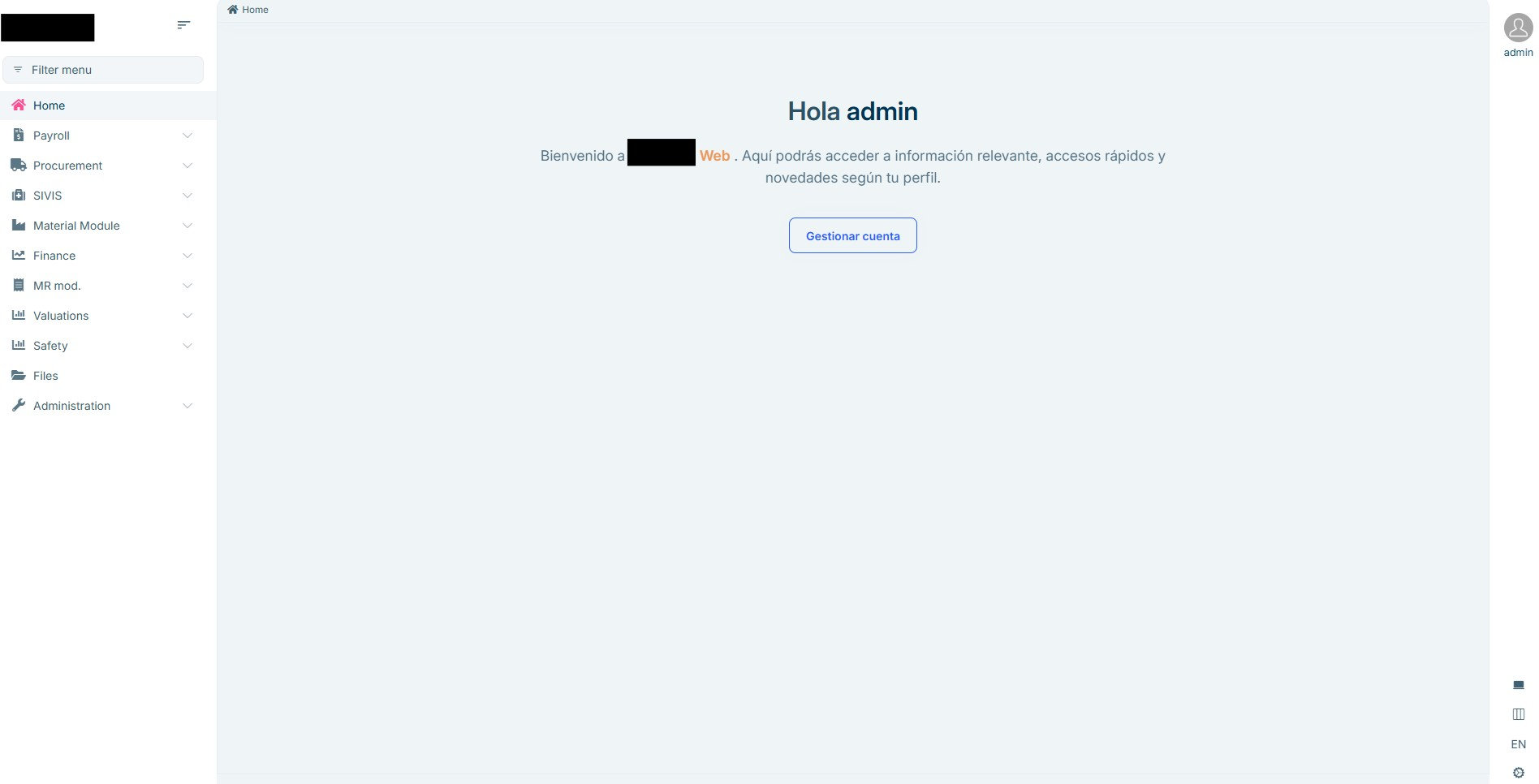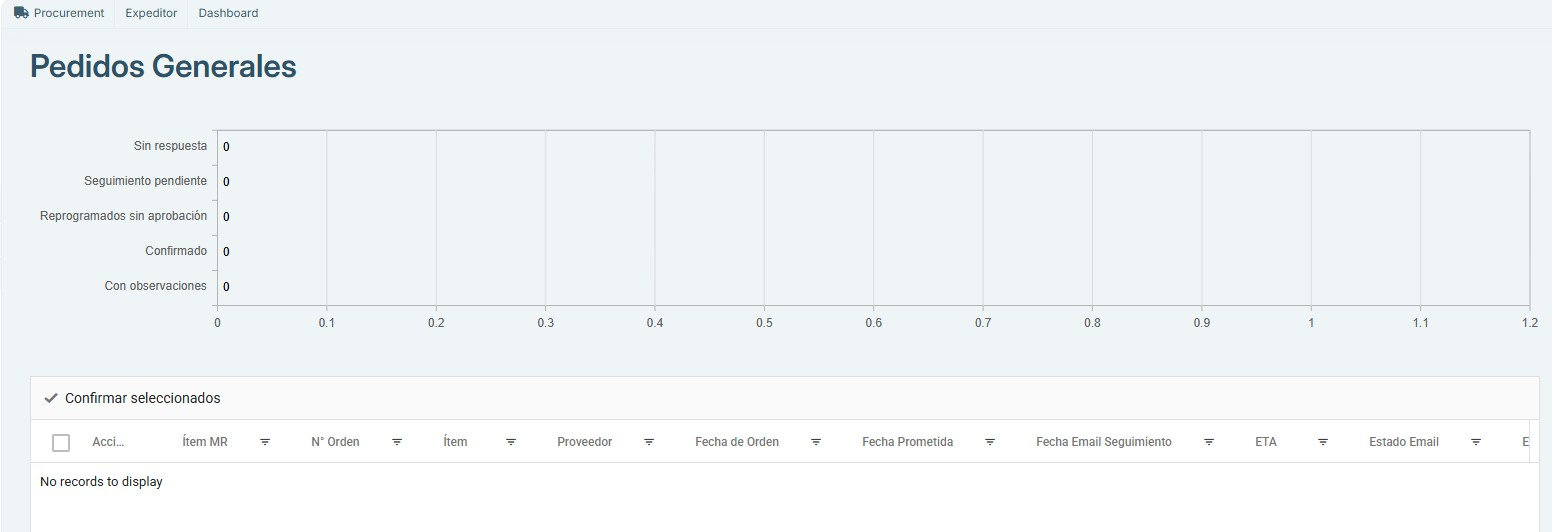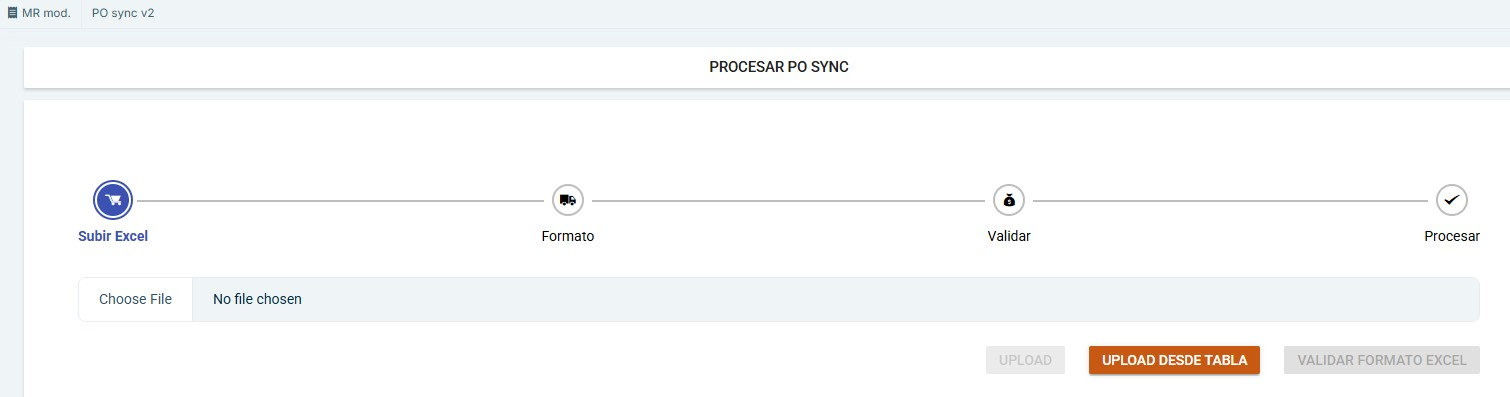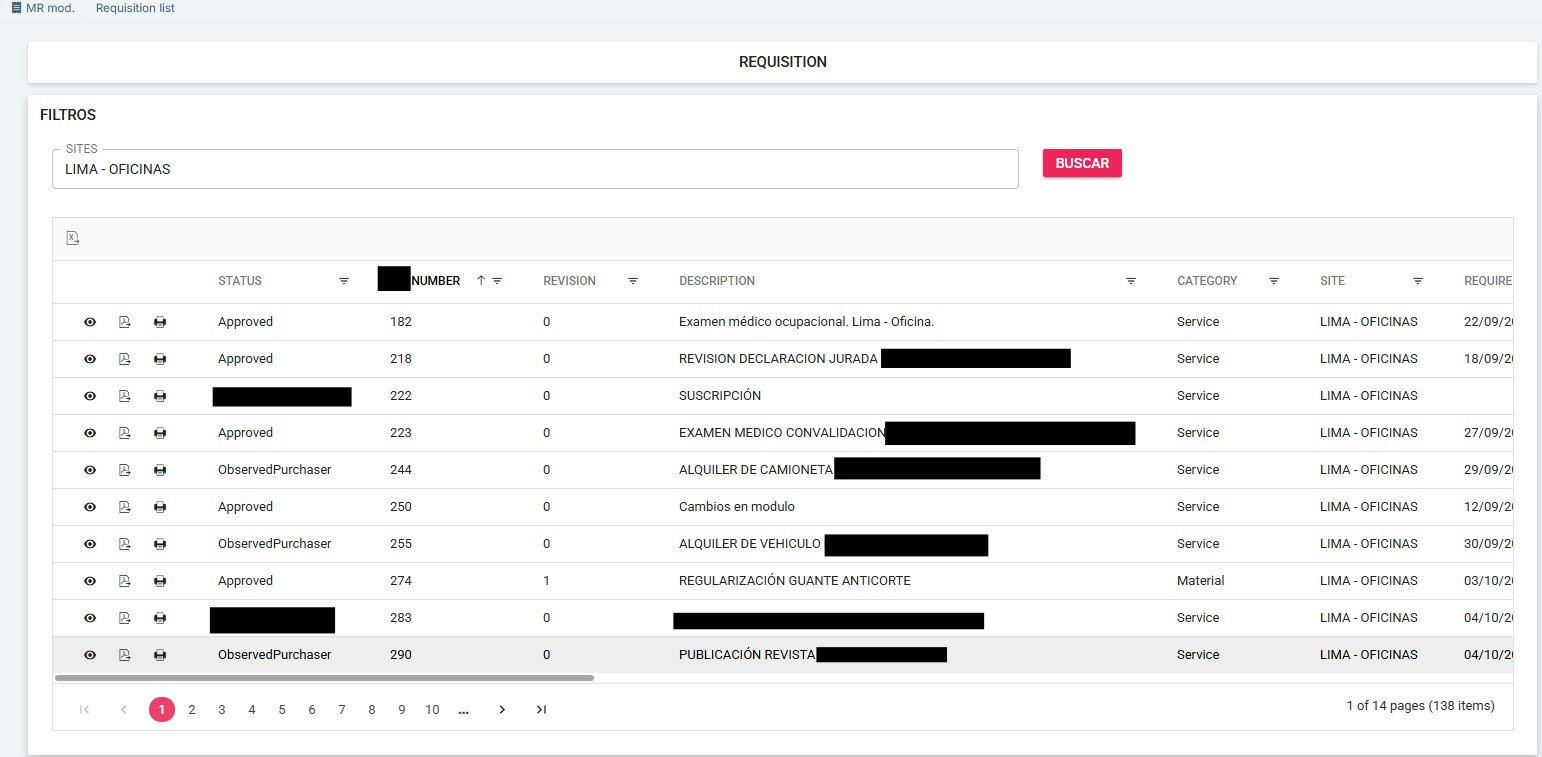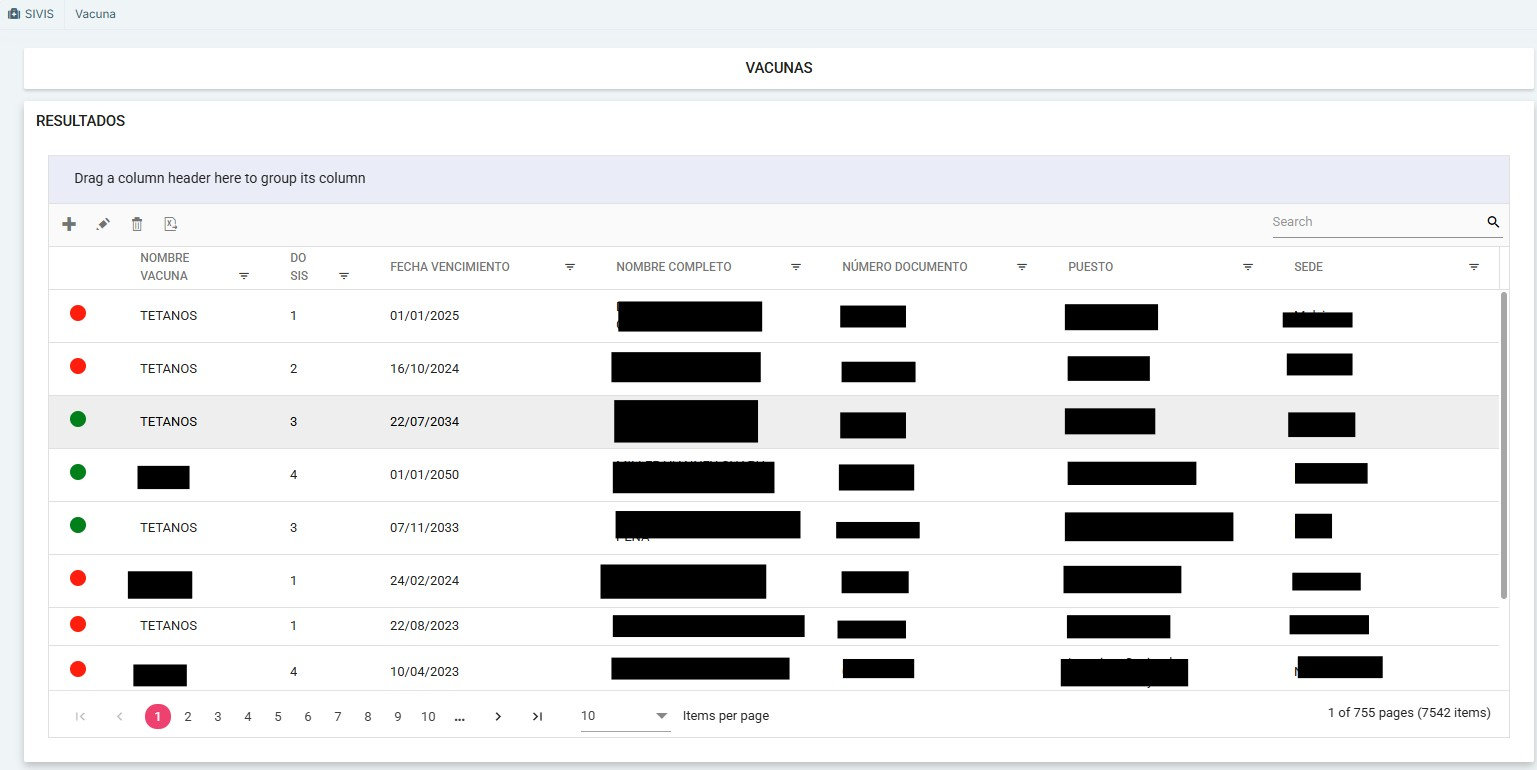



Kuppabit adopted ABP Framework to standardize architecture, accelerate development, and improve long-term maintainability as their platform and customer base grew. By leveraging ABP's modular approach and built-in infrastructure, the team reduced repeated manual implementations and focused more on business value.

Before adopting ABP, Kuppabit's core platform was based on a lightweight custom template. As the system scaled, they faced growing complexity managing cross-cutting concerns such as authentication, authorization, auditing, background jobs, and logging. Each new project or major feature required repeated architectural decisions and manual implementation, leading to longer development cycles, increased technical debt, higher maintenance costs, and architectural inconsistencies across solutions.

Kuppabit migrated their core system to ABP to gain better architectural structure, maintainability, and scalability. They standardized their development approach using Layered & Modular Architecture based on ABP best practices with the ABP Commercial – Angular startup template.
The tech stack includes Angular on the frontend, ASP.NET Core (.NET) on the backend with Entity Framework Core as the ORM, and SQL Server (Azure SQL Database) for data storage. The solution is hosted on Microsoft Azure (App Services, SQL Database, Blob Storage, Azure DevOps) with Azure DevOps Pipelines for CI/CD.

After implementing ABP, Kuppabit improved development efficiency, architectural quality, and long-term maintainability. Key outcomes included: