请检查浏览器的控制台, 哪些css没有加载? 这和反向代理配置有关和abp应用无关
谢谢
hi
Can we please get the reference for the login .cshtml and .cs page, we cannot see how Tenant is being derived in the pages. We have been scanning through the github repo below but could not find the page. Our intention is for the user not to key in their target tenant at login, and to have the application derive the tenant instead.
The tenant selection is from the Account layout page.
eg: https://github.com/abpframework/abp/blob/dev/modules/basic-theme/src/Volo.Abp.AspNetCore.Mvc.UI.Theme.Basic/Themes/Basic/Layouts/Account.cshtml#L70-L98
What is your current MVC theme?
Where can we get the full source code for application modules? Was there a commercial repo that we can be invited to?
You can download the module source code, There is no git repos, see https://abp.io/docs/latest/suite/source-code
Thanks.
: )
hi
Can you check the Access Token and claims from Google?
Please set a breakpoint to check the accesstoken and claims .
context.Services.AddAuthentication()
    .AddGoogle(GoogleDefaults.AuthenticationScheme, options =>
    {
        options.Events.OnCreatingTicket = ticketContext =>
        {
            var accesstoken = ticketContext.AccessToken;
            var claims = ticketContext.Principal?.Claims.ToList();
            return Task.CompletedTask;
        };

        // options.ClaimActions.MapJsonKey(AbpClaimTypes.Email, "your_google_email_claim_key");
        // options.ClaimActions.MapJsonKey(AbpClaimTypes.UserName, :"your_google_username_claim_key");
        // options.ClaimActions.MapJsonKey(AbpClaimTypes.Name, "your_google_username_claim_key");
    })
Thanks.
Hi
You are right. I will check this behavior.
Thanks.
hi
We noticed that when you click on the expanded sidebar in the main app, it doesn't immediately close. Instead, you have to move the cursor away from the expanded sidebar for the closing to happen.
Can you share a GIF?
Thanks.
Yes. We will fix it in 9.3.5 Thanks.
ok, I see, we will fix it in next patch version.
Thanks.
hi
Do you want to change the datetime to a data-only in an Angular Authority Delegation modal?
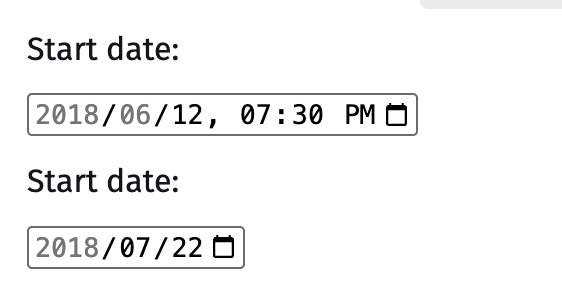
Thanks.
hi
using System;
using System.Collections.Generic;
using System.Linq;
using System.Threading.Tasks;
using Microsoft.AspNetCore.Authentication;
using Microsoft.AspNetCore.Http;
using Microsoft.AspNetCore.Identity;
using Microsoft.AspNetCore.Mvc;
using OpenIddict.Abstractions;
using OpenIddict.Server.AspNetCore;
using Volo.Abp.DependencyInjection;
using Volo.Abp.OpenIddict.Controllers;

namespace BankIdDemo.BankId;

[Dependency(ReplaceServices = true)]
[ExposeServices(typeof(AuthorizeController))]
public class MyAuthorizeController : AuthorizeController
{
    public override async Task<IActionResult> HandleAsync()
    {
        var request = await GetOpenIddictServerRequestAsync(HttpContext);

        var result = await HttpContext.AuthenticateAsync(IdentityConstants.ApplicationScheme);
        if (result is not { Succeeded: true } ||
            ((request.HasPromptValue(OpenIddictConstants.PromptValues.Login) || request.MaxAge is 0 ||
              (request.MaxAge != null && result.Properties?.IssuedUtc != null &&
                TimeProvider.System.GetUtcNow() - result.Properties.IssuedUtc > TimeSpan.FromSeconds(request.MaxAge.Value))) &&
                TempData["IgnoreAuthenticationChallenge"] is null or false)
            || (request.HasPromptValue(OpenIddictConstants.PromptValues.Login) && request.GetParameter("bankid").HasValue) && !request.GetParameter("skipBankId").HasValue)
        {
            // If the client application requested promptless authentication,
            // return an error indicating that the user is not logged in.
            if (request.HasPromptValue(OpenIddictConstants.PromptValues.None))
            {
                return Forbid(
                    authenticationSchemes: OpenIddictServerAspNetCoreDefaults.AuthenticationScheme,
                    properties: new AuthenticationProperties(new Dictionary<string, string>
                    {
                        [OpenIddictServerAspNetCoreConstants.Properties.Error] = OpenIddictConstants.Errors.LoginRequired,
                        [OpenIddictServerAspNetCoreConstants.Properties.ErrorDescription] = "The user is not logged in."
                    }!));
            }

            TempData["IgnoreAuthenticationChallenge"] = true;

            var parameters = Request.HasFormContentType ? Request.Form.ToDictionary() : Request.Query.ToDictionary();
            if (request.HasPromptValue(OpenIddictConstants.PromptValues.Login) &&
                request.GetParameter("bankid").HasValue)
            {
                parameters.Add("skipBankId", "true");
            }

            return Challenge(new AuthenticationProperties
            {
                RedirectUri = Request.PathBase + Request.Path + QueryString.Create(parameters)
            });
        }

        return await base.HandleAsync();
    }
}









