Also, see: https://github.com/dotnet/aspnetcore/issues/8894#issuecomment-477718158
Its doesn't work like you think it does. Authentication Handlers run on every request, regardless of the path. The handler decides if it needs to intervene based on, among other things, the path.
For example; RemoteAuthenticationHandler (which OIDC uses) does it inside ShouldHandleEvent()
This default implementation looks at the Options for the handler, which contains a CallbackPath property, then compares the inbound request path against that value. The base implementation of HandleRequestAsync() calls this function right at the start to see if it needs to run. There's no registration or anything of that ilk.
Hi,
You can try:
options.CallbackPath = "/signin-oidc"
Hi,
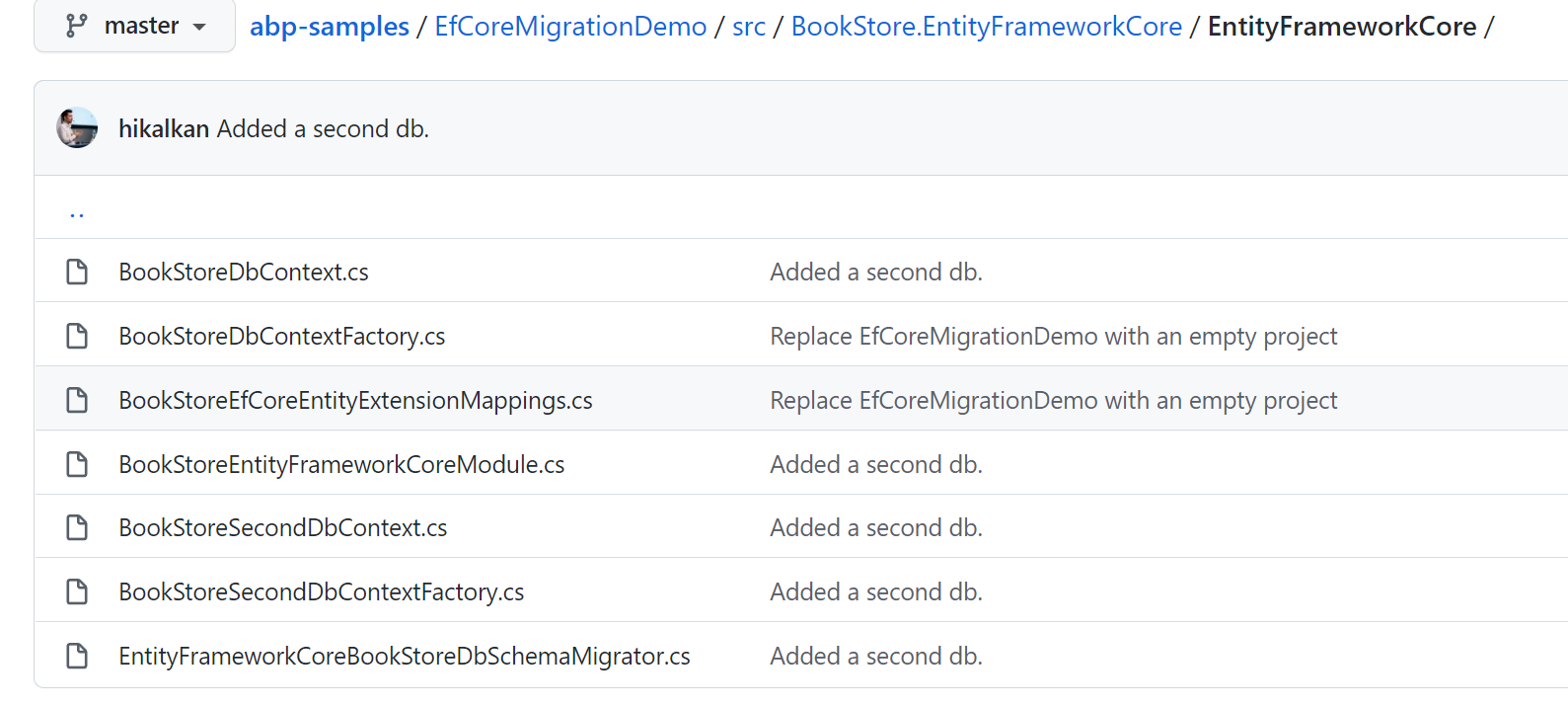
You need a second DbContext to create the database.
We have an example, you can check it: https://github.com/abpframework/abp-samples/tree/master/EfCoreMigrationDemo
Hi,
Find the<YourProject>BrandingProvider
[Dependency(ReplaceServices = true)]
public class MyProjectNameBrandingProvider : DefaultBrandingProvider
{
    public override string LogoUrl => "";
    public override string LogoReverseUrl => "";
    public override string AppName => ....;
}
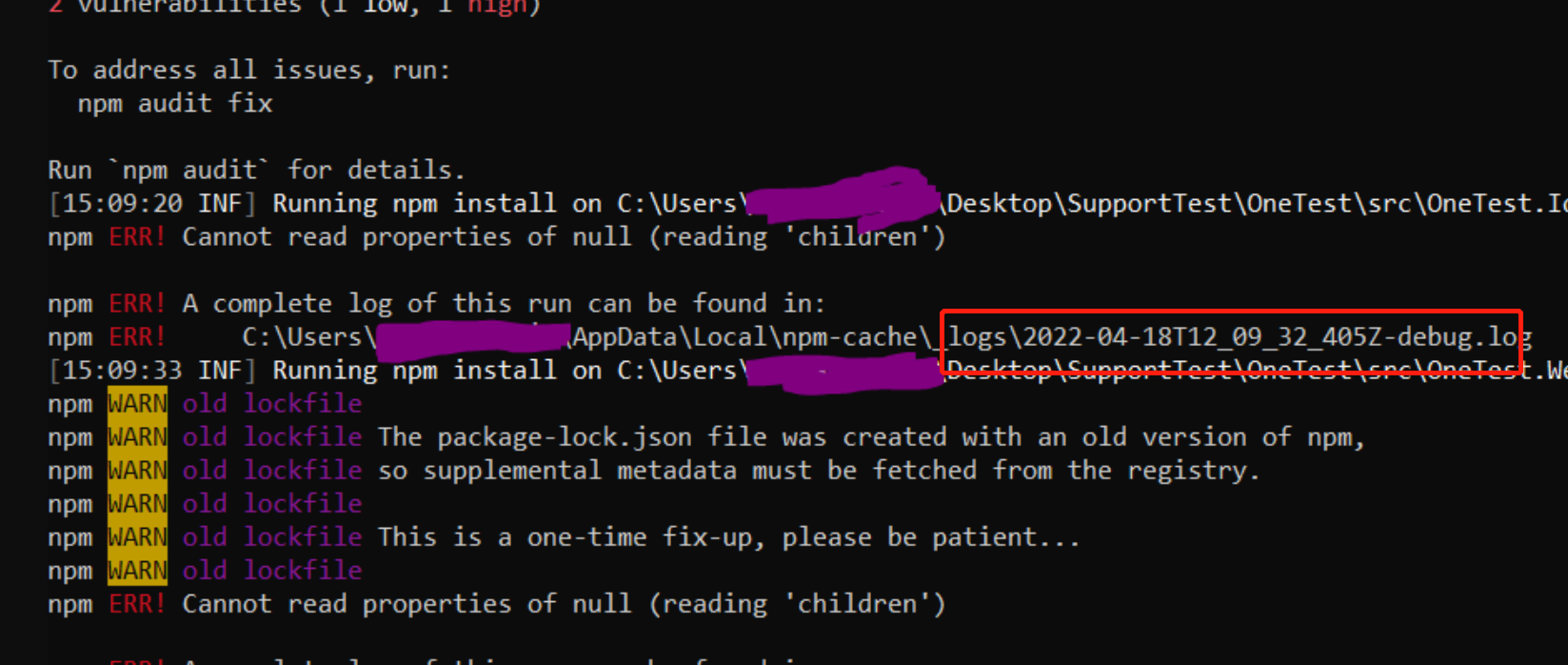
Can you share the logs?
Hi,
You can check this: https://docs.abp.io/en/abp/latest/UI/Angular/Page-Toolbar-Extensions
And this guide: https://docs.abp.io/en/abp/latest/Customizing-Application-Modules-Guide
Hi,
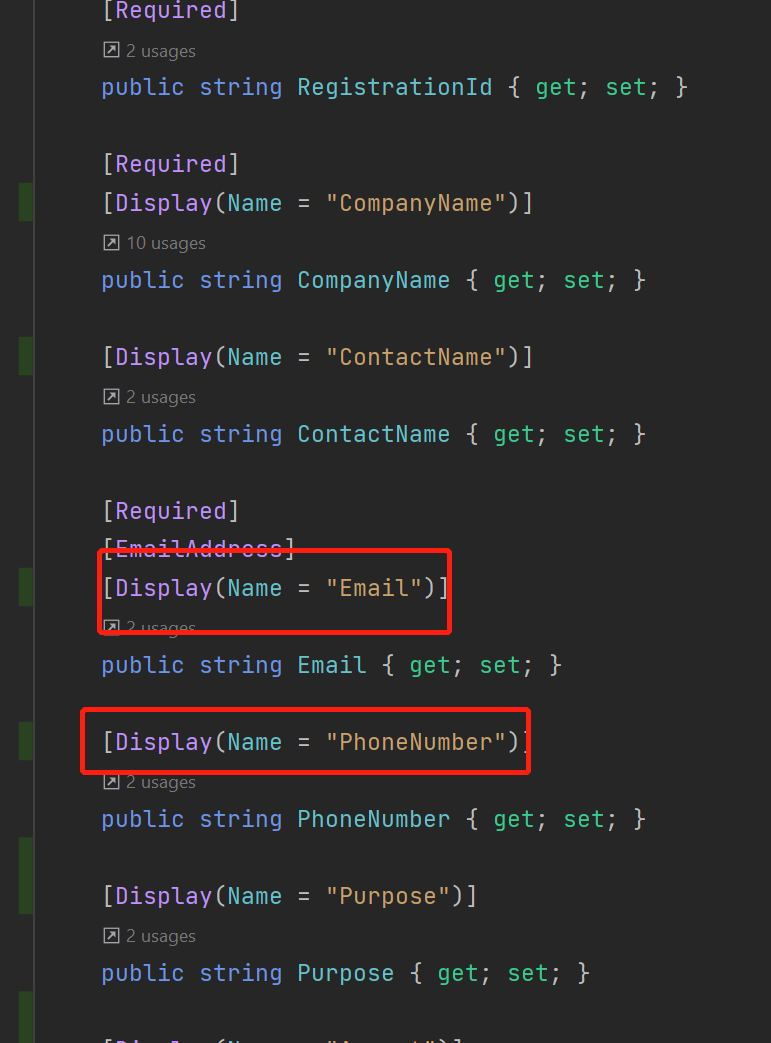
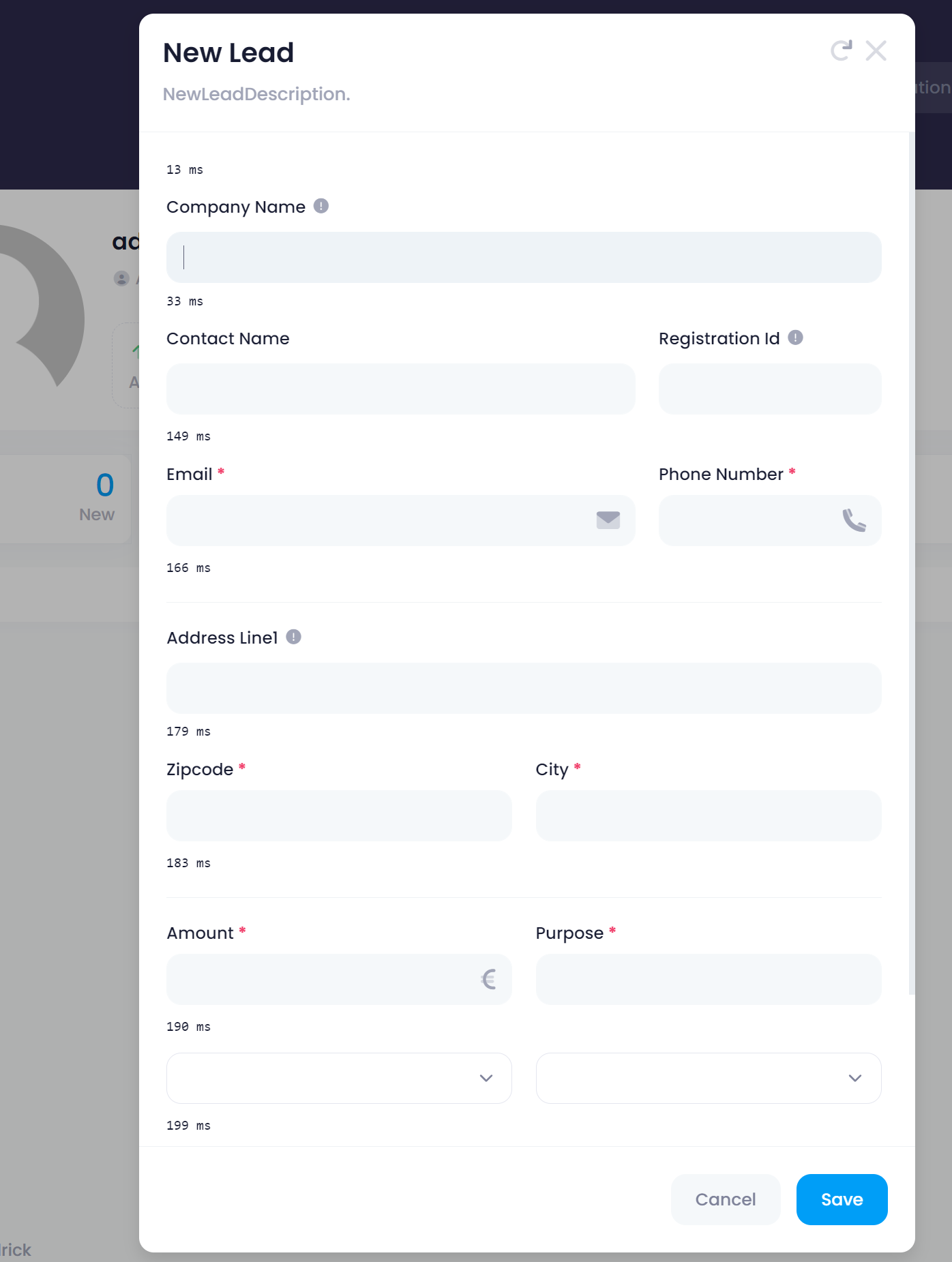
The main problem is related to localization
When add the DisplayAttribute to LeadCreateDto class, the page loading time will take about ~200ms
Hi,
My email: shiwei.liang@volosoft.com
Hi,
Is this working for you? if not, please make a sample project to reproduce it and share it with me, shiwei.liang@volosoft.com
global.js:
$(function(){
    if($("#PhoneNumber").length === 1){
        $("#PhoneNumber").parent().hide()
        $("#PhoneNumber").parent().prev().hide()
    }
})
Hi,
Try:
Configure<AbpClaimsServiceOptions>(options=>
{
    options.RequestedClaims.Add(claimName...)
})









